Lag B’Omer is a minor holiday that occurs on the 33rd day of the Omer, the 49-day period between Passover and Shavuot. Lag B’Omer include holding Jewish weddings (it’s the one day during the Omer when Jewish law permits them), lighting bonfires and getting haircuts.
The Talmud tells us that during this season a plague killed thousands of Rabbi Akiva‘s students because they did not treat one another respectfully.
According to a medieval tradition, the plague ceased on Lag Ba’Omer, the 33rd day of the Omer. (The Hebrew letters lamed and gimel which make up the acronym “Lag” have the combined numerical value of 33.) As a result, Lag Ba’Omer became a happy day.
The outstanding sage Rabbi Akiva became an ardent supporter of Simeon bar Koseva, known as Bar Kochba, who in 132 C.E. led a ferocious but unsuccessful revolt against Roman rule in Judea. Akiva not only pinned his hopes on a political victory over Rome but believed Bar Kochba to be the long-awaited Messiah. Many of his students joined him in backing the revolt and were killed along with thousands of Judeans when it failed. The Talmudic rabbis, still suffering under Roman rule and cautious about referring openly to past rebellions, may have been hinting at those deaths when they spoke of a plague among Akiva’s students. Possibly, also, Lag B’Omer marked a respite from battle, or a momentary victory.
All over the world, it is customary to spend the day outside, enjoying the natural beauty of G‑d’s world. During these outings, it is customary to play with bows and arrows. Read about the reason for the bow and arrow here.
Showing posts with label high holidays. Show all posts
02 May 2018
30 March 2018
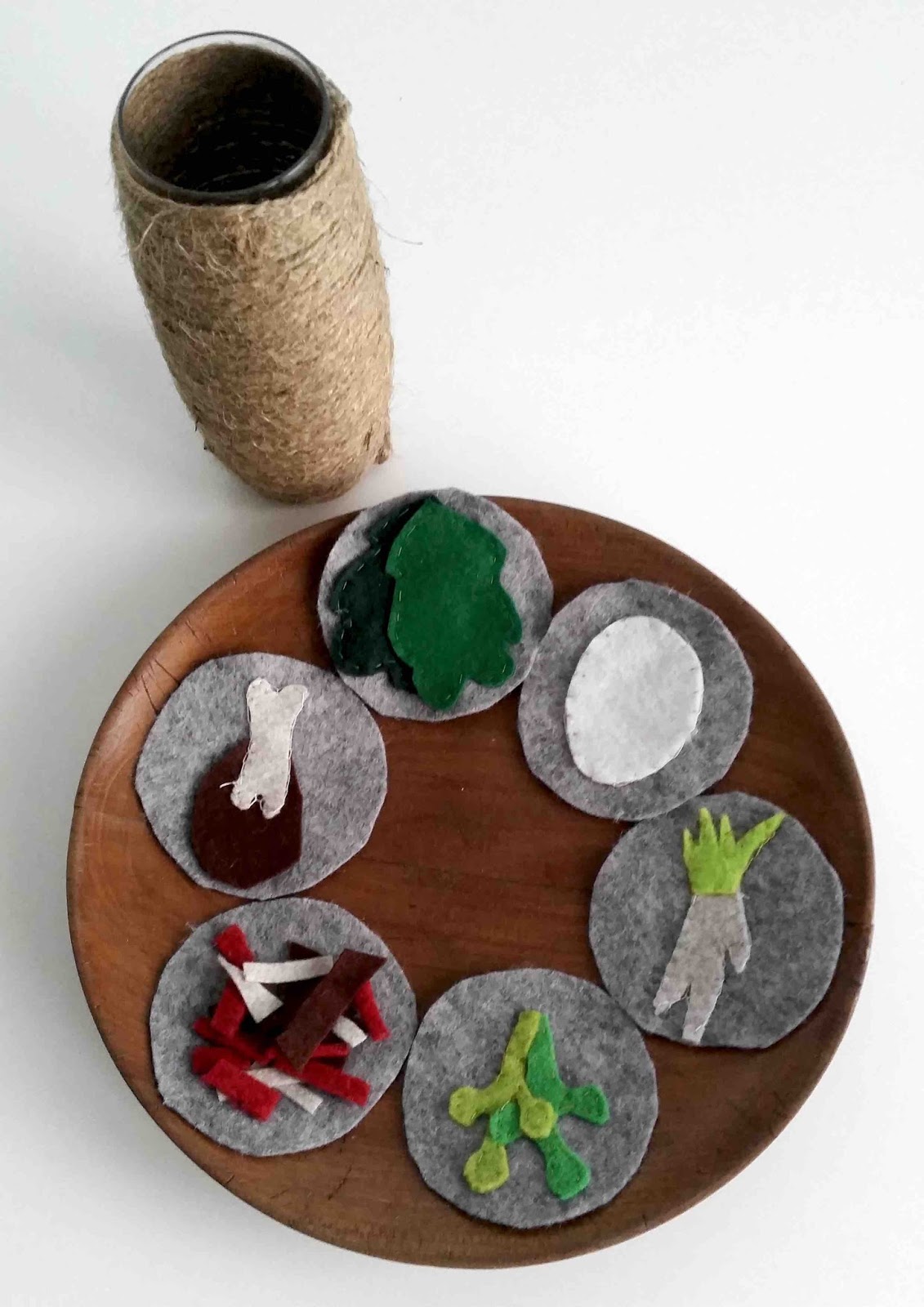
Handmade decorative Seder Plates
The Passover Haggadah demands that each person see him or herself as having personally come forth out of Egypt. Accordingly, the
is one of the most sensory-heavy rituals of the Jewish year. During the seder, we don’t just tell the story of the Exodus, we see, smell, feel, and taste liberation.
Many of the elements of this sensory experience appear on the seder plate (k’arah), which serves as the centerpiece of the seder table. The seder plate traditionally holds five or six items, each of which symbolizes a part (or multiple parts) of the Passover story.
The centerpiece of the Passover Seder table is undoubtedly the Seder plate.
It holds the ritual seder items: a hard boiled egg (beitza), a shank
bone (z'roa), bitter herbs (maror), horseradish (hazeret), vegetable
(karpas), and haroset
is one of the most sensory-heavy rituals of the Jewish year. During the seder, we don’t just tell the story of the Exodus, we see, smell, feel, and taste liberation.
Many of the elements of this sensory experience appear on the seder plate (k’arah), which serves as the centerpiece of the seder table. The seder plate traditionally holds five or six items, each of which symbolizes a part (or multiple parts) of the Passover story.
Handmade decorative Seder Plates
Wood and felt decorative plate
Clay and wood decorative plate
Traditional Seder plate
Grandma's Seder Plate Is Missing!: A Passover Special
The ten Plagues - A Pesach decoration
One of the most dramatic moments of the Passover seder
comes with the recitation of the 10 plagues that, the Bible says, God
brought on the Egyptians to persuade Pharaoh to free the Israelites from
slavery. As we recite each plague, we spill a drop of wine in
recognition, according to many interpretations, that the process of our
liberation caused suffering to the Egyptian people.
The ten jars of the ten plagues
The Plagues
- Blood
- Frogs
- Lice
- Flies
- Pestilence
- Boils
- Hail
- Locusts
- Darkness
- Killing of the firstborn
29 March 2018
The search for chametz
The process of creating a chametz-free environment comes to its climax the night before Passover. We conduct a veritable “search and destroy” mission to find any remaining chametz
in our home and eradicate it. The search is traditionally conducted
with a beeswax candle, using a feather, wooden spoon, and a paper bag
for collecting any chametz found. It is customary to place ten pieces of
bread throughout the house to be “found” during the search. These
should be wrapped in paper or some other flammable wrapping (but not
silver foil, as it does not burn), and perhaps then in plastic bags to
prevent crumbs.
Bedikat Chametz Kit
When you’ve completed the search, and done your best to get rid of any
possible chametz, gather the family back together and recite the "Kol
Chamira" declaration, translated below, nullifying all unknown chametz
and relinquishing it from your ownership.
Making at home Eliyahu's cup
Kos Shel Eliyahu. A Cup of Redemption
In addition to the four cups of wine that each participant drinks during the Pesach Seder, a fifth cup is placed on the Seder table. This cup, which is not drunk, is known as Kos Shel Eliyahu, Eliyahu’s Cup.
Of course, there's a bit of drama around this cup. When opening the door for Elijah, the children gather round to watch the quivering liquid ripple, hoping to detect some sign of its sampling by the visiting prophet. But surely there's more meaning to this cup than a child's imagination?
Let's not play pretend with someone as serious and holy as the prophet Elijah. It is quite thoughtful of some people to offer Elijah a drink while visiting, but thank you, he doesn't need sips to keep him going. This cup has real purpose and meaning. Learning more about Elijah's historic role in Judaism, we'll realize that this special cup is here even more for our own sake than for his, to inspire us and to give our seder focus and direction.
According to tradition, at this moment our homes are graced by the presence of Elijah the prophet. There are multiple reasons and meanings behind this age-old tradition.
In addition to the four cups of wine that each participant drinks during the Pesach Seder, a fifth cup is placed on the Seder table. This cup, which is not drunk, is known as Kos Shel Eliyahu, Eliyahu’s Cup.
Of course, there's a bit of drama around this cup. When opening the door for Elijah, the children gather round to watch the quivering liquid ripple, hoping to detect some sign of its sampling by the visiting prophet. But surely there's more meaning to this cup than a child's imagination?
Let's not play pretend with someone as serious and holy as the prophet Elijah. It is quite thoughtful of some people to offer Elijah a drink while visiting, but thank you, he doesn't need sips to keep him going. This cup has real purpose and meaning. Learning more about Elijah's historic role in Judaism, we'll realize that this special cup is here even more for our own sake than for his, to inspire us and to give our seder focus and direction.
According to tradition, at this moment our homes are graced by the presence of Elijah the prophet. There are multiple reasons and meanings behind this age-old tradition.
Hand made Kos Shel Eliyahu
Wood, rustic inspiration
Glass beads inspired
07 October 2017
Burlap Six Pointed Star Sukkah Decoration
Sukkah Decorations to adorn your Sukkah. The main commandment during the holiday of Sukkot is to live in the temporary hut known as a “Sukkah” for the entire duration of the holiday. The general practice is to live in the Sukkah as one does in his house. This is the reason why Jews eat in the Sukkah and many also sleep and even work in the Sukkah during the holiday. Because of this tradition, it is common for Sukkahs to be brightly decorated. Sukkah decorations include posters, chains of different types, paper and foil fruit, greetings cards and colored lights.
The supplies are items we always use for any art project involving paint. To minimize clean up and the number of times we run to the kitchen or bathroom we have the following items handy. A roll of paper towel or painter’s rags.
We purchased the burlap cloth from the craft store. But honestly you can reuse burlap you have lying around the house (from coffee grounds, produce sacks, gifts etc)
SIX POINTED STAR DECORATION ON BURLAP
Have you ever thought about painting on burlap for your decorations? I have and that is what it resulted. The supplies are items we always use for any art project involving paint. To minimize clean up and the number of times we run to the kitchen or bathroom we have the following items handy. A roll of paper towel or painter’s rags.
We purchased the burlap cloth from the craft store. But honestly you can reuse burlap you have lying around the house (from coffee grounds, produce sacks, gifts etc)
02 October 2017
DIY chalk lantern jar for Sukkot
During the week long festival of Sukkot, Jews live and eat in huts called Sukkahs. These huts mimic what farmers slept in during ancient harvests and are a way to honor the 40 years they lived in the desert. What are some ways to celebrate?
Make a sukkah: The traditional hut is sturdy enough to last all week, has a thatched roof made of leaves and sticks so you can see the stars.
Eat and sleep in the sukkah! Traditionally, you can eat every meal and sleep in the sukkah too. (Weather permitting.)
Have a simple DIY chalk markers mason jar project to hag in your wonderful Sukkah.
CHALK MARKERS LANTERN JAR
To start this chalk paint mason jar project and create your Sukkah lanterns first start with the materials list. Choose to your taste and color choices. Materials:
Clear glass mason jars
Chalk Markers.
Stationery Island chalk markers 3mm
27 September 2017
Yom Kippur Scapegoat Activity
The name "Yom Kippur" means "Day of Atonement," and that pretty much explains what the holiday is. It is a day set aside to "afflict the soul," to atone for the sins of the past year. In Days of Awe, G-d inscribes all of our names. On Yom Kippur, the judgment entered in these books is sealed. This day is, essentially, your last appeal, your last chance to change the judgment, to demonstrate your repentance and make amends.
Yom Kippur atones only for sins between man and G-d, not for sins against another person. To atone for sins against another person, you must first seek reconciliation with that person, righting the wrongs you committed against them if possible.
Yom Kippur is a complete Sabbath; no work can be performed on that day. It is well-known that you are supposed to refrain from eating and drinking (even water) on Yom Kippur. It is a complete, 25-hour fast beginning before sunset on the evening before Yom Kippur and ending after nightfall on the day of Yom Kippur.
The strangest element of the service on Yom Kippur, set out in Acharei Mot,1 was the ritual of the two goats, one offered as a sacrifice, the other sent away into the desert “to Azazel.” They were brought before the High Priest, to all intents and purposes indistinguishable from one another: they were chosen to be as similar as possible to one another in size and appearance. Lots were drawn, one bearing the words “To the L‑rd,” the other, “To Azazel.” The one on which the lot “To the L‑rd” fell was offered as a sacrifice. Over the other the High Priest confessed the sins of the nation and it was then taken away into the desert hills outside Jerusalem where it plunged to its death. Tradition tells us that a red thread would be attached to its horns, half of which was removed before the animal was sent away. If the rite had been effective, the red thread would turn to white.
Consider an activity for kids who are exploring Yom Kippur liturgy or studying the parsha Acharei Mot.
So, we have to stick our leftover mistakes on a goat which will be “sent away.” We could just write something on a paper note and press it on a goat poster, or use “Al Chet” (which means missed mark, Hebrew analog for “sin”) cardboard pieces slapped on the back sticky side which are far more satisfying, and private as well. Don’t nobody know what’s written on the opposite side.
The scapegoat in the liturgy isn’t a individual thing, it’s a community thing. So, this would be a good activity for a classroom or the family togeteher. Participants write at least one way they “missed the mark” in the last year.
Kids (and adults) write their mistake on the back of slips of paper. This ties in to teaching kids about the Vidui section of the Yom Kippur liturgy, with all that weird and unforgettable chest beating.
You need:
a paper goat drawing to paint or print and cover it with adhesive plastic paper.
I printed the goat on four A4 papers, put the papers together, cut out its borders.
Then, put the goat on a larger blue cardborad and tie a red ribbon on the goat neck.
Feel free to print my PDF template of the goat.
LINKS: eScapegoat app from G-dCast Scapegoat ritual from MyJewishLearning.com Yom Kippur All Year Long from MyJewishLearning.com
The Laws & Customs of Yom Kippur
Yom Kippur atones only for sins between man and G-d, not for sins against another person. To atone for sins against another person, you must first seek reconciliation with that person, righting the wrongs you committed against them if possible.
Yom Kippur is a complete Sabbath; no work can be performed on that day. It is well-known that you are supposed to refrain from eating and drinking (even water) on Yom Kippur. It is a complete, 25-hour fast beginning before sunset on the evening before Yom Kippur and ending after nightfall on the day of Yom Kippur.
Yom Kippur Scapegoat Activity
The strangest element of the service on Yom Kippur, set out in Acharei Mot,1 was the ritual of the two goats, one offered as a sacrifice, the other sent away into the desert “to Azazel.” They were brought before the High Priest, to all intents and purposes indistinguishable from one another: they were chosen to be as similar as possible to one another in size and appearance. Lots were drawn, one bearing the words “To the L‑rd,” the other, “To Azazel.” The one on which the lot “To the L‑rd” fell was offered as a sacrifice. Over the other the High Priest confessed the sins of the nation and it was then taken away into the desert hills outside Jerusalem where it plunged to its death. Tradition tells us that a red thread would be attached to its horns, half of which was removed before the animal was sent away. If the rite had been effective, the red thread would turn to white.
Consider an activity for kids who are exploring Yom Kippur liturgy or studying the parsha Acharei Mot.
So, we have to stick our leftover mistakes on a goat which will be “sent away.” We could just write something on a paper note and press it on a goat poster, or use “Al Chet” (which means missed mark, Hebrew analog for “sin”) cardboard pieces slapped on the back sticky side which are far more satisfying, and private as well. Don’t nobody know what’s written on the opposite side.
The scapegoat in the liturgy isn’t a individual thing, it’s a community thing. So, this would be a good activity for a classroom or the family togeteher. Participants write at least one way they “missed the mark” in the last year.
Kids (and adults) write their mistake on the back of slips of paper. This ties in to teaching kids about the Vidui section of the Yom Kippur liturgy, with all that weird and unforgettable chest beating.
You need:
a paper goat drawing to paint or print and cover it with adhesive plastic paper.
I printed the goat on four A4 papers, put the papers together, cut out its borders.
Then, put the goat on a larger blue cardborad and tie a red ribbon on the goat neck.
Feel free to print my PDF template of the goat.
LINKS: eScapegoat app from G-dCast Scapegoat ritual from MyJewishLearning.com Yom Kippur All Year Long from MyJewishLearning.com
The Laws & Customs of Yom Kippur
19 September 2017
Gifts for Rosh Hashana, colorful pomegranate
There is a common practice to eat a pomegranate on Rosh Hashanah, as its abundant seeds symbolize our hopes that we will come before G‑d with abundant merits.Of course, the pomegranates we have today generally have a bitter, pungent taste. It appears that in Baghdad, where the Ben Ish Chai lived, they had sweet pomegranates. In any event, in light of the custom to refrain from bitter foods on Rosh Hashanah, it would seem proper to dip the pomegranate in sugar to at least diminish its pungency
You need:
Air dry clay
Acrylic paint
Transparent gloss spray
There are many different varieties of pomegranate. All varieties love the heat, as much as you can give them, but some varieties have a higher tolerance to cold temperatures than others. So, before you purchase and plant pomegranate plants in your landscape or garden, make sure the varieties you choose will stand up to the average low temperatures your area experiences during winter. In general, winter low temperatures should be above 7 degrees F for the cold hard varieties, and above 12 degrees F for the frost sensitive varieties.
Here's a breakdown of what you need to know...
Pomegranates: Old Age Remedy for Todays Diseases (Food and Beverage Consumption and Health)
You need:
Air dry clay
Acrylic paint
Transparent gloss spray
There are many different varieties of pomegranate. All varieties love the heat, as much as you can give them, but some varieties have a higher tolerance to cold temperatures than others. So, before you purchase and plant pomegranate plants in your landscape or garden, make sure the varieties you choose will stand up to the average low temperatures your area experiences during winter. In general, winter low temperatures should be above 7 degrees F for the cold hard varieties, and above 12 degrees F for the frost sensitive varieties.
Here's a breakdown of what you need to know...
Pomegranates: Old Age Remedy for Todays Diseases (Food and Beverage Consumption and Health)
Clay Apples festive decor
Today we are sharing how I made some easy and cute apples to be used as hanging ornaments or just gifts on Rosh haShanà. They are easy and quick to make, and can be done with a group of children. Adults will enjoy making these as well.
The supplies to make these are:
Air Drying Modeling Material
Acrylic Paints, Paint brush
Deco Art Glue, Sealer,Finish in Gloss
Twine
The process is fairly simple.
Model some clay into an apple, help yourself with a paper model, let it sit a few minutes then cut out the apple shape. While the clay is drying but still moist, cut the hole on the top of each apple. Let the apples dry.
Brush off any dust, and paint. Add a final coat of Sealer to give the apples some shine and protection, but that is optional.
I hope that you are inspired to go. Thanks for stopping by.
APPLES
The supplies to make these are:
Air Drying Modeling Material
Acrylic Paints, Paint brush
Deco Art Glue, Sealer,Finish in Gloss
Twine
The process is fairly simple.
Model some clay into an apple, help yourself with a paper model, let it sit a few minutes then cut out the apple shape. While the clay is drying but still moist, cut the hole on the top of each apple. Let the apples dry.
Brush off any dust, and paint. Add a final coat of Sealer to give the apples some shine and protection, but that is optional.
I hope that you are inspired to go. Thanks for stopping by.
18 September 2017
Pinecone apple craft for Rosh HaShanà
I know that a pinecone craft may sound more of a winter activity but there is so much more you can turn a pinecone into: owls or…apples.It’s just a matter of color and leaf and you can easily have an apple instead of a pinecone. If you want a yellow apple the only thing to change is the color.
Pinecone Apple Craft
Materials: pinecones, paint, hot glue, green felt pieces.
1: Gather a few pinecones. If you can’t find any pine trees near your house.
2: Paint your pinecones. We used red paint but yellow or green will also work.
3: Cut out tiny leaves from green felt or paper.
5: Glue the leaves to the sticks.
Pinecone Apple Craft
Materials: pinecones, paint, hot glue, green felt pieces.
1: Gather a few pinecones. If you can’t find any pine trees near your house.
2: Paint your pinecones. We used red paint but yellow or green will also work.
3: Cut out tiny leaves from green felt or paper.
5: Glue the leaves to the sticks.
09 September 2017
Wood Decorative Apple for Rosh haShanà
Apples and honey: For Ashkenazic Jews, these words are an inseparable pairing. We dip a slice of apple in honey to express our hopes for a sweet and fruitful year.
Why were apples and honey chosen for this custom?
It’s not because of what Adam and Eve did in eating from the Tree of Knowledge in the Garden of Eden; the Bible never identifies the forbidden fruit. More likely, apples were selected because in ancient times they became a symbol of the Jewish people in relationship to G.d. In Song of Songs, we read, “As the apple is rare and unique among the trees of the forest, so is my beloved amongst the maidens of the world.” In medieval times apples were considered so special that individuals would use a sharp utensil or their nails to hand-carve their personal hopes and prayers into the apple skins before they were eaten.
Neither the Bible nor the Talmud dictates the minhag, or custom, of dipping apples in honey. Traditionally, as early as the 7th century, it was customary to wish someone, “Shana Tova Umetukah” (A Good and Sweet Year), and honey ,whether from dates, figs, or apiaries , being the most prevalent sweetener in the Jewish world, was the most available “sweet” for dipping purposes. And as for the biblical description of Israel as a land flowing with “milk and honey,” the Torah is alluding to a paste made from overripe dates, not honey from beehives.
May your year be sweet, fruitful, and filled with contentment and promise.
Making decorations for your home doesn’t need to be difficult, take up a lot of your time or money. Many times the best decorations are the ones you find right under your nose, or behind the garage. That’s where this Wooden Apple started.
The woodscrew chuck is a most useful piece of equipment and can be used to good effect to make wooden fruit.
We prefer the stalks of both apple and pear to leave the fruit at an angle, and this factor influences the chucking techniques. This method means that slightly longer stock than normal is required, but I am quite happy to waste a little wood to make the fruit more natural-looking.
Choice of wood
Exotic hardwoods can produce stunning grain patterns, but the cost of such species can be prohibitive, particularly in the early learning stage, when mistakes are not unusual. Native hedgerow and garden trees or shrubs can also produce dramatic grain. Yew wood,pine, cherry and holly are eminently suitable, as are spalted woods, particularly beech.
Method
Taking light cuts with the roughing-out gouge, reduce the stock to the suggested 70mm diameter. The profiling can now commence at the open end (the stalk end), using a 10mm spindle gouge. A rolling action is required to form the rounded-over section, merging into a swinging, scooping action to form the undercut profile. At a distance of 70mm from the open end, size in with a parting tool to a diameter of approximately 19mm. The remainder of the profiling down to the depth of the sizing cut can now be completed with the same tool. Before reverse-chucking it is necessary to sand and polish the completed section, and also to drill the 3mm hole to accommodate the stalk.

Koren Sacks Rosh HaShana Mahzor UK Edition: Standard Size by Jonathan Sacks (2011-08-11)
Why were apples and honey chosen for this custom?
It’s not because of what Adam and Eve did in eating from the Tree of Knowledge in the Garden of Eden; the Bible never identifies the forbidden fruit. More likely, apples were selected because in ancient times they became a symbol of the Jewish people in relationship to G.d. In Song of Songs, we read, “As the apple is rare and unique among the trees of the forest, so is my beloved amongst the maidens of the world.” In medieval times apples were considered so special that individuals would use a sharp utensil or their nails to hand-carve their personal hopes and prayers into the apple skins before they were eaten.
Neither the Bible nor the Talmud dictates the minhag, or custom, of dipping apples in honey. Traditionally, as early as the 7th century, it was customary to wish someone, “Shana Tova Umetukah” (A Good and Sweet Year), and honey ,whether from dates, figs, or apiaries , being the most prevalent sweetener in the Jewish world, was the most available “sweet” for dipping purposes. And as for the biblical description of Israel as a land flowing with “milk and honey,” the Torah is alluding to a paste made from overripe dates, not honey from beehives.
May your year be sweet, fruitful, and filled with contentment and promise.
WOOD DECORATIVE APPLE
An apple turned from holly wood. It's a pretty simple project for the home Rosh ha Shanà decor in between simple, easy and creative projects. Making decorations for your home doesn’t need to be difficult, take up a lot of your time or money. Many times the best decorations are the ones you find right under your nose, or behind the garage. That’s where this Wooden Apple started.
The woodscrew chuck is a most useful piece of equipment and can be used to good effect to make wooden fruit.
We prefer the stalks of both apple and pear to leave the fruit at an angle, and this factor influences the chucking techniques. This method means that slightly longer stock than normal is required, but I am quite happy to waste a little wood to make the fruit more natural-looking.
Choice of wood
Exotic hardwoods can produce stunning grain patterns, but the cost of such species can be prohibitive, particularly in the early learning stage, when mistakes are not unusual. Native hedgerow and garden trees or shrubs can also produce dramatic grain. Yew wood,pine, cherry and holly are eminently suitable, as are spalted woods, particularly beech.
![]() |
| photos from "Woodcraft" |
Taking light cuts with the roughing-out gouge, reduce the stock to the suggested 70mm diameter. The profiling can now commence at the open end (the stalk end), using a 10mm spindle gouge. A rolling action is required to form the rounded-over section, merging into a swinging, scooping action to form the undercut profile. At a distance of 70mm from the open end, size in with a parting tool to a diameter of approximately 19mm. The remainder of the profiling down to the depth of the sizing cut can now be completed with the same tool. Before reverse-chucking it is necessary to sand and polish the completed section, and also to drill the 3mm hole to accommodate the stalk.

Koren Sacks Rosh HaShana Mahzor UK Edition: Standard Size by Jonathan Sacks (2011-08-11)
27 May 2017
Shavuot decorations - Jars
Passover and Shavuot, most commonly known as the festivals that commemorate, respectively, the Exodus and the Giving of the Torah, each also have a pronounced agricultural element.
The Torah instructs that on the second day of Passover we should bring the first cutting of our barley harvest to the Holy Temple in Jerusalem as an offering to G‑d, and not to partake of that year's barley crop until that offering is made. On Shavout, we are commanded to bring the first of our wheat harvest as an offering to G‑d, and not partake of that year's wheat until this is done. Hence, the 49-day count leading from Passover to Shavuot is called "The Counting of the Omer"--a reference to the omer (a biblical measure) of barley that was brought on the first day of the count--and Shavuot is called Yom Habikkurim, "The Day of the First-Fruits Offering."
In Biblical tradition, barley is primarily animal food. Wheat is the key and ideal human food.
Who is ready for decoration Shavuot? We are !!!!
It is time to sort out some of your old glassware for this Shavuot project.
We love refurbishing items into something fresh and new… do you have an old jar, beverage glass or even glass candle holder laying around? These three miscellaneous items can be turned into Shavuot vases with just yarn and glue.
Supplies needed:
Glass containers (We used an old glass, a old candle holder )
Cotton yarn
Mod Podge
Scissors
Directions:
1. Starting at the bottom rim (or top… it doesn’t matter), glue the beginning yarn strand in place. Glue around the edge and line it with the yarn, then tuck the lose strand underneath. I glued the first three rows in place for more stability. Continue to wrap yarn around the glass. If glass curves, you will need to glue yarn in place to prevent it from sliding.
2. Once you have the desired thickness, cut the yarn and glue in place. Glue next yarn color on and keep winding around the jar.
3. Continue to add different colors until you reach the top. Just to reiterate, as the glass curves, additional glue will be needed. Along the top rim, glue the yarn until there is no more glass, cut off yarn and glue in place.
As part of this Shavuot decoration we're going to make some DIY Color Wrapped Wheat.
It’s a simple and easy project, but it’s a beautiful way to add interest and a splash of color to your Shavuot table. And don’t worry, even if you’re not hosting the holiday feast, you can still whip up a few of these to decorate your space.
For this project, you will need dried wheat stalks, embroidery floss (in any color you’d like), and a pair of scissors. Yep, that’s it.
Bunch the wheat together near the top, wrap around once with the embroidery floss, and tie a knot to hold everything in place.
Then, start to wrap the embroidery floss around the stalks. I found it easiest to spin the wheat to wrap the floss rather than spinning my hand around the wheat.
If you’re putting them in a vase like we did here, you can trim the bottom of the stems so they are all the same length.
CurtzyTM 42 cotton yarn - 43.3m
Fiskars scissors
The Torah instructs that on the second day of Passover we should bring the first cutting of our barley harvest to the Holy Temple in Jerusalem as an offering to G‑d, and not to partake of that year's barley crop until that offering is made. On Shavout, we are commanded to bring the first of our wheat harvest as an offering to G‑d, and not partake of that year's wheat until this is done. Hence, the 49-day count leading from Passover to Shavuot is called "The Counting of the Omer"--a reference to the omer (a biblical measure) of barley that was brought on the first day of the count--and Shavuot is called Yom Habikkurim, "The Day of the First-Fruits Offering."
In Biblical tradition, barley is primarily animal food. Wheat is the key and ideal human food.
Who is ready for decoration Shavuot? We are !!!!
It is time to sort out some of your old glassware for this Shavuot project.
We love refurbishing items into something fresh and new… do you have an old jar, beverage glass or even glass candle holder laying around? These three miscellaneous items can be turned into Shavuot vases with just yarn and glue.
Supplies needed:
Glass containers (We used an old glass, a old candle holder )
Cotton yarn
Mod Podge
Scissors
Directions:
1. Starting at the bottom rim (or top… it doesn’t matter), glue the beginning yarn strand in place. Glue around the edge and line it with the yarn, then tuck the lose strand underneath. I glued the first three rows in place for more stability. Continue to wrap yarn around the glass. If glass curves, you will need to glue yarn in place to prevent it from sliding.
2. Once you have the desired thickness, cut the yarn and glue in place. Glue next yarn color on and keep winding around the jar.
3. Continue to add different colors until you reach the top. Just to reiterate, as the glass curves, additional glue will be needed. Along the top rim, glue the yarn until there is no more glass, cut off yarn and glue in place.
As part of this Shavuot decoration we're going to make some DIY Color Wrapped Wheat.
It’s a simple and easy project, but it’s a beautiful way to add interest and a splash of color to your Shavuot table. And don’t worry, even if you’re not hosting the holiday feast, you can still whip up a few of these to decorate your space.
For this project, you will need dried wheat stalks, embroidery floss (in any color you’d like), and a pair of scissors. Yep, that’s it.
Bunch the wheat together near the top, wrap around once with the embroidery floss, and tie a knot to hold everything in place.
Then, start to wrap the embroidery floss around the stalks. I found it easiest to spin the wheat to wrap the floss rather than spinning my hand around the wheat.
If you’re putting them in a vase like we did here, you can trim the bottom of the stems so they are all the same length.
Shop this POST
Plaid Mod Podge Opaco 8oz / 236mlCurtzyTM 42 cotton yarn - 43.3m
Fiskars scissors
25 May 2017
Book of Ruth - Needle felted case
The Book of Ruth is found in the third main division of the Tanach, Ketuvim (Writings). The book has been preserved on parchment and thus came to be known by its Hebrew name of Megillat Ruth, the Scroll of Ruth.
This scroll concerns itself with the Ikvot Meshicha (Ikveta diMeshicha - Aramaic), the approaching footsteps of Mashiach. It concerns itself with the time immediately preceeding the coming of the Mashiach. This is related in the parasha of the “heel”: Eikev
This scroll centers around Ruth, a Moabite widowed princess who spends most of her life alone, without a husband, family, and kinsmen. Her life is filled with hardship as she gleans grain in order to have enough to eat. She has no other way to live. Why does she choose to leave her father’s palace in Moab to become a pauper in a foreign land? We will explore the answer to this question later in our study.
Why read Ruth on Shavuot?
There are seven reasons why we read the Megillah of Ruth on Shavuot:
1. The events occurred during the harvest season. Shavuot is the Harvest Festival.
2. Ruth was a convert to Judaism. Conversion is an individual "Kabbalat HaTorah".
3. Ruth the Moabite was permitted to marry Boaz, based on a drasha of the verse, "A Moabite may not marry into the Congregation of HaShem" (Devarim 23:4). This hints at the unity between the Written Torah and the Oral Torah.
4. King David was born on Shavuot. The Megillah of Ruth concludes with David's lineage.
5. To teach the greatness of Gemillut Chassadim, acts of loving-kindness.
6. To teach that the Torah is acquired only through affliction and poverty.
7, The name "Ruth" has the numerical value of 606. At Har Sinai the Jewish People accepted 606 mitzvot, in addition to the 7 Noachide Laws.
This scroll concerns itself with the Ikvot Meshicha (Ikveta diMeshicha - Aramaic), the approaching footsteps of Mashiach. It concerns itself with the time immediately preceeding the coming of the Mashiach. This is related in the parasha of the “heel”: Eikev
This scroll centers around Ruth, a Moabite widowed princess who spends most of her life alone, without a husband, family, and kinsmen. Her life is filled with hardship as she gleans grain in order to have enough to eat. She has no other way to live. Why does she choose to leave her father’s palace in Moab to become a pauper in a foreign land? We will explore the answer to this question later in our study.
Why read Ruth on Shavuot?
There are seven reasons why we read the Megillah of Ruth on Shavuot:
1. The events occurred during the harvest season. Shavuot is the Harvest Festival.
2. Ruth was a convert to Judaism. Conversion is an individual "Kabbalat HaTorah".
3. Ruth the Moabite was permitted to marry Boaz, based on a drasha of the verse, "A Moabite may not marry into the Congregation of HaShem" (Devarim 23:4). This hints at the unity between the Written Torah and the Oral Torah.
4. King David was born on Shavuot. The Megillah of Ruth concludes with David's lineage.
5. To teach the greatness of Gemillut Chassadim, acts of loving-kindness.
6. To teach that the Torah is acquired only through affliction and poverty.
7, The name "Ruth" has the numerical value of 606. At Har Sinai the Jewish People accepted 606 mitzvot, in addition to the 7 Noachide Laws.
NEEDLE FELTED CASE FOR AN ILLUSTARTED MEGHILLAT
Subscribe to:
Posts (Atom)